Right-sizing builder’s risk limits in a rapidly changing world

By Michael Cueman, Head of Construction, North America
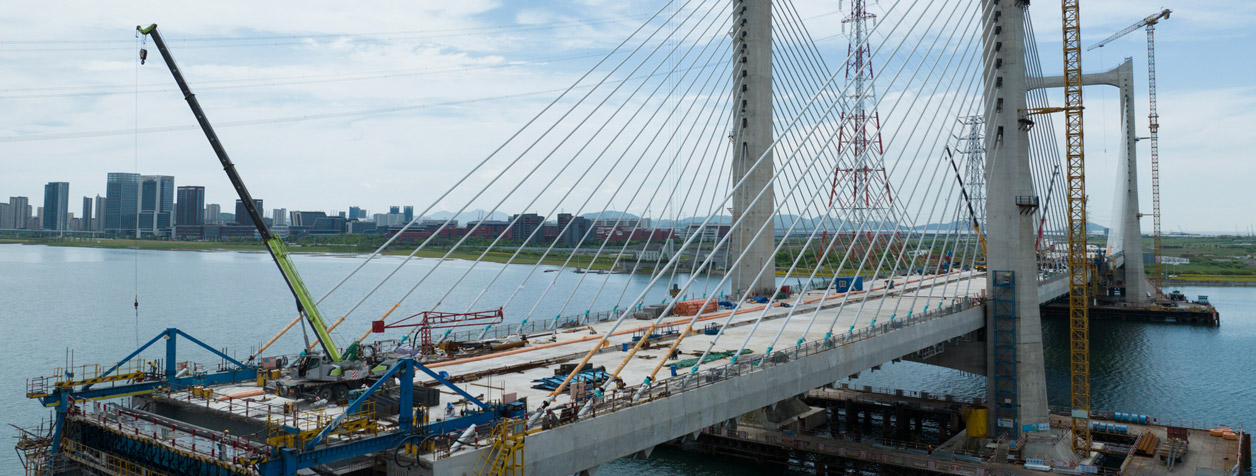
Construction projects are growing—both in size and complexity. There are many drivers of this phenomenon, among them increasing investments in areas like infrastructure modernization, manufacturing advancement, and a rapidly scaling need for data and logistics centers. At the same time, other industries within the sector, such as commercial, industrial, and residential, among others, are also growing.
This rise in capital intensity and sector shifts, combined with myriad other factors, means projects are becoming more expensive, more complex, and more exposed to risk. Contractors and/or owner/developers must navigate higher insurance costs, limited carrier capacity, and greater aggregation concerns. These risks underscore the importance of strategic coverage decisions, particularly when it comes to choosing the right limit for builder’s risk insurance. Overinsure, and you may burden the budget with unnecessary premium spend. Underinsure, and a single incident could derail timelines, reputations, and recovery. In a market where carrier capacity is finite and project aggregations are increasing, right-sizing coverage is more important than ever.
Some key things to consider
It’s critical for all parties to the construction project, including brokers, to think beyond full-value coverage to design fit-for-purpose solutions that protect what matters most, without overextending budgets. Here are some key considerations you may want to review.

A loss-limit strategy
Rather than insuring the full replacement cost, many insureds opt for a loss limit, the maximum amount payable for a single event. It is often used when the total insured values of the project are very high, but the likelihood of a total loss is low. This approach generally aligns coverage with the most likely worst-case scenario, also known as Estimated Maximum Loss (EML), offering meaningful protection at a more efficient premium. While a loss limit may not always be possible, either through contractual requirements or risk management appetite, gaining a deeper understanding of the project risk can help navigate to a solution that enables smart spend without sacrificing core protection.
Delay in completion impact
There are many reasons a project could be paused or held up, from events like fire or flooding to equipment damage. Regardless of the reason for a delay, when it happens, it comes at a cost, both in soft costs like leases, legal, accounting, and permitting fees, as well as revenue loss. How you choose to insure against these delay exposures will influence the amount and structure of coverage you will need.
When it comes to Delay in Completion coverage, insurance usually pays based on what you actually lose, not a fixed amount, also known as “actual loss sustained.” If you lose income because of a delay, the insurer pays for that lost income. For soft costs, it’s a bit trickier. Some expenses (like legal or design fees) might not need to be paid again after a delay, or only partially.
That’s why it’s important to review your soft costs and decide which ones are likely to come back if there’s a delay. This helps you avoid overinsuring, lower your coverage limit, and save on premiums, while still protecting against real losses.
If you’re considering a loss limit, you’ll need to decide if the limit applies only to construction costs or also includes costs resulting from delays in completion (revenue and soft costs). You can also customize coverage for different phases or milestones of the project. In any or all of the above scenarios, a robust evaluation is key.
Contractual requirements
Lenders, owners, and joint venture partners may mandate specific coverage thresholds. Insureds want to ensure they meet these obligations without exceeding what’s necessary. Providing more may not yield the desired benefit if, in doing so, it drives costs higher. The right broker and underwriting team can help interpret and align coverage with contract terms to optimize cost and compliance and, importantly, to build client trust.

Additional factors to consider
We mentioned previously that as projects continue to trend up in size, they often have added complexity. Along with construction challenges, there are other unique factors that can influence how much insurance coverage (or limit) should or could be purchased. Here are a few additional factors that might come into play.
Phased scope
Large construction projects often happen in phases, each with its own cost, scope, and timeline. For these types of projects, insurance coverage can be designed to adjust as the project progresses.
As one phase finishes and another begins, the policy limit can be updated to reflect the value of the work still underway. This means you’re not paying for full coverage the entire time, just for what’s needed at each stage, and carriers have a clearer line of sight on exposure aggregation. This approach helps avoid tying up more insurance limits than necessary early on, ensures that coverage matches the actual risk at each phase, and aligns premiums with the value and timing of the work.
Master Builder’s Risk programs
Do you have a steady pipeline of projects that you’ll engage in over the next year or so, and are those projects generally all of similar scope? If the answer is “yes” to those questions, a Master Builder’s Risk program may be something to consider. This can provide agreed-upon limits by project category, rates, deductibles, and terms across the portfolio, which can ultimately streamline the process of determining insurance costs for an insured and allow for easier underwriting of projects that may fall outside the program. Overall, the intent of any Master Builder’s Risk program is to provide the insured with predetermined coverage for 90% or more of their portfolio to make it easier for the insured to understand their insurance costs upfront as much as possible.
Market conditions
Insurance capacity, carrier appetite, economic impacts, and rate trends can influence available limits and pricing. The AXIS construction team works closely with brokers to navigate these dynamics by providing consistent and thoughtful approaches to these issues.
As projects grow, so does the need for smarter insurance decisions. Selecting the right builder’s risk limit is about aligning coverage with real-world risk, contractual obligations, and financial strategy.
At AXIS, we combine underwriting expertise, flexible program structures, and hands-on partnership to help insureds protect what matters most, efficiently, thoughtfully, and confidently.